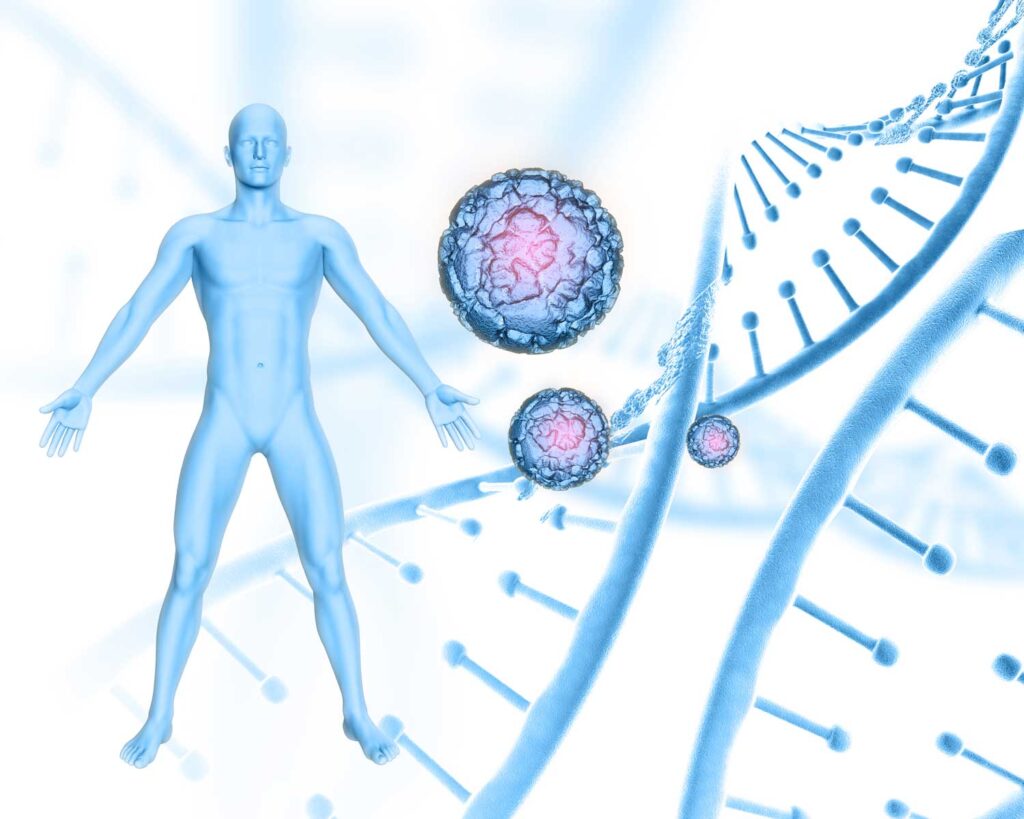
Extracellular Vesicles: The Next Breakthrough in Cell-Free Therapy
Published on: March 25, 2026
In recent years, scientists have discovered that many of the therapeutic effects of stem cells are actually delivered through extracellular vesicles (EVs).
Extracellular vesicles are small membrane-bound particles released by cells. These vesicles contain important biological materials such as proteins, RNA, and signaling molecules that allow cells to communicate with each other.
EVs act as biological messengers that influence cell behavior and promote healing.
Because of their small size, typically between 50 and 1000 nanometers, EVs can easily travel through biological barriers and reach target tissues.
Stem cell-derived EVs have attracted significant attention in regenerative medicine because they can deliver many of the benefits of stem cells without requiring the transplantation of live cells.
Potential advantages of EV-based therapies include:
• Reduced immune rejection risk
• Easier storage and transport
• Greater safety profile
• Precise biological signaling
As research progresses, extracellular vesicles may become an important platform for next-generation regenerative therapies.